
Gupt Rog-Causes, Symptoms, Treatment & Prevention – A Complete Guide
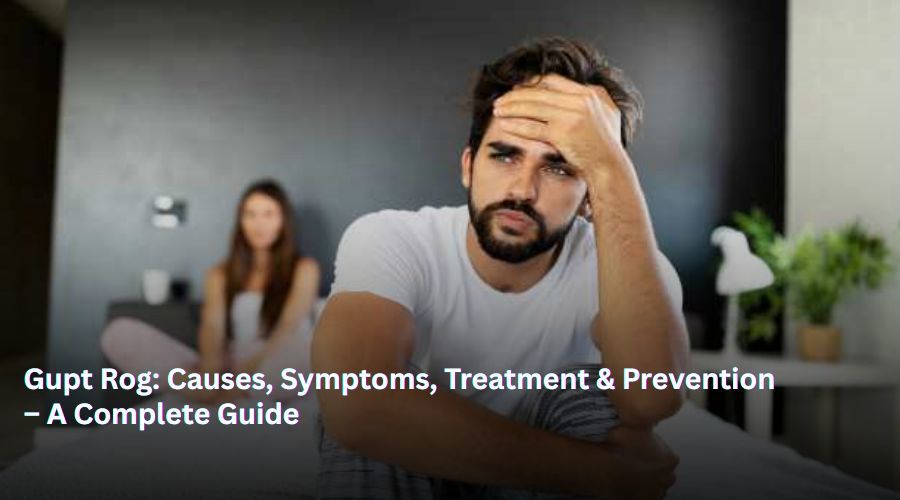
Gupt Rog: Causes, Symptoms, Treatment & Prevention
Many people search for Gupt Rog on the internet but often come across confusing or misleading information. Because these health concerns are personal, many individuals hesitate to discuss them openly or seek medical advice. Unfortunately, delaying proper consultation can sometimes make the condition more difficult to manage.
In this article, we'll explain what Gupt Rog means, its possible causes, common symptoms, available treatment options, and practical ways to maintain better health.
What is Gupt Rog?
The term Gupt Rog is commonly used in India to describe a range of private or intimate health concerns affecting men and women. It is not a single medical condition but rather a general term used for various health issues related to intimate wellness.
Since different conditions can have similar symptoms, a proper medical evaluation is important before starting any treatment.
Common Causes of Gupt Rog
Several physical and lifestyle factors may contribute to intimate health concerns.
These may include:
- Chronic stress and anxiety
- Poor sleep habits
- Unhealthy diet
- Smoking or excessive alcohol consumption
- Lack of physical activity
- Hormonal imbalance
- Certain medical conditions such as diabetes
- Infections
- Self-medication without medical advice
Every individual is different, which is why identifying the underlying cause is an important first step.
Common Symptoms
Depending on the underlying condition, symptoms may include:
- Persistent discomfort in the intimate area
- Burning sensation during urination
- Reduced confidence
- Stress or anxiety related to personal health
- Difficulty in maintaining healthy relationships
- Recurring discomfort
These symptoms do not always indicate a serious illness, but if they continue for several weeks, professional medical advice is recommended.
Can Gupt Rog Be Treated?
Many intimate health conditions can be managed effectively with timely diagnosis and appropriate medical care. The treatment plan depends on the underlying cause, medical history, and overall health of the patient.
A qualified doctor may recommend:
- Detailed medical consultation
- Physical examination
- Diagnostic tests, if required
- Lifestyle modifications
- Personalized treatment plan
- Regular follow-up
Avoid taking medicines based solely on online information or advice from unqualified sources.
Role of Ayurveda in Managing Gupt Rog
Ayurveda follows a holistic approach by considering an individual's body constitution, lifestyle, and dietary habits.
An experienced Ayurvedic doctor may recommend:
- Personalized Ayurvedic medicines (when appropriate)
- Dietary guidance
- Lifestyle improvements
- Stress management techniques
- Follow-up consultations
Any treatment should be taken only under the supervision of a qualified medical practitioner.
Lifestyle Tips for Better Intimate Health
Simple lifestyle changes can positively impact your overall well-being.
Eat a Balanced Diet
Include fresh fruits, vegetables, whole grains, healthy proteins, and adequate water.
Exercise Regularly
Physical activity helps improve circulation, reduce stress, and support overall health.
Manage Stress
Practice meditation, yoga, breathing exercises, or other relaxation techniques.
Get Adequate Sleep
Aim for 7–8 hours of quality sleep every night.
Avoid Smoking and Excessive Alcohol
These habits may negatively affect overall health.
Avoid Self-Medication
Always consult a qualified healthcare professional before taking any medication.
When Should You Consult a Doctor?
You should seek medical advice if:
- Symptoms continue for more than a few weeks
- You experience recurring discomfort
- Daily life is being affected
- Stress or anxiety related to the condition is increasing
- You notice any unusual changes in your health
Early consultation helps in understanding the cause and planning appropriate care.
How to Choose the Right Doctor?
Before selecting a healthcare provider, consider:
- Medical qualifications
- Clinical experience
- Transparent consultation process
- Patient privacy
- Ethical medical practice
- Positive patient feedback
Choose a doctor who listens carefully, explains your condition clearly, and recommends evidence-based treatment.
Frequently Asked Questions (FAQs)
Is Gupt Rog a single disease?
No. Gupt Rog is a general term commonly used for different intimate health conditions rather than one specific disease.
Can Ayurveda help?
Ayurveda may play a supportive role for some conditions depending on the individual's health. A qualified Ayurvedic doctor can advise whether it is appropriate in your case.
Is self-treatment recommended?
No. Self-medication may delay proper diagnosis or worsen some conditions. Always consult a qualified healthcare professional.
Can stress affect intimate health?
Yes. Stress and anxiety can influence overall health, including intimate well-being. Managing stress is often an important part of a comprehensive care plan.
Conclusion
Many people avoid discussing intimate health concerns because of embarrassment or misinformation. However, seeking timely medical advice is an important step toward understanding your condition and receiving appropriate care.
If you have ongoing health concerns, consult a qualified and experienced doctor for a proper evaluation. Personalized guidance, healthy lifestyle changes, and appropriate treatment can contribute to better long-term well-being.
Why Choose Dr. RP Kakkar Clinic?
- 30+ Years of Clinical Experience
- Confidential Consultation
- Ayurvedic Healthcare Approach
- Personalized Medical Guidance
- Ethical & Patient-Centered Care
- Comfortable Consultation Environment
Disclaimer: This article is intended for educational purposes only and should not be considered a substitute for professional medical advice, diagnosis, or treatment. Always consult a qualified healthcare professional regarding any medical concerns.
 Whatsapp
 Call
Call